
- News
- City News
- gurgaon News
- Veggie, fruit prices start to climb but farmers’ stir may not be the cause
Trending
This story is from June 4, 2018
Veggie, fruit prices start to climb but farmers’ stir may not be the cause
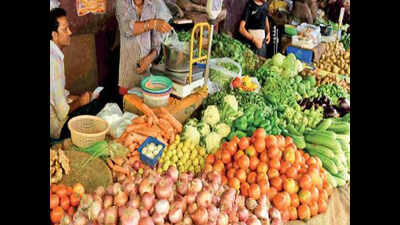
Representative Image
While summer months are particularly difficult, as few vegetables make it to the markets, since Friday, sellers said prices of vegetables have started going up.
But this may not be a result of the 10-day nationwide strike by over 100 farmer organisations in seven states, demanding complete loan waiver, higher prices for produce and implementation of the MS Swaminathan Committee recommendations.

“Right now, we are clearing the stock we had, but if trucks don’t arrive tomorrow as well, prices will definitely go up,” said a wholeseller of potatoes and onions. According to him, wholesale prices of both are currently Rs 600 per crate (50kg), making the retail price at around Rs 20 per kg. “This will get worse in the coming days. Already, there was no auction of potatoes held today,” he said.
Vegetable associations said the price hike is not necessarily because of the strike. “Most of the produce at Gurugram mandi doesn’t come from parts where farmers are on strike. Potato prices could have increased because cold storages have started stocking up in anticipation.
Till recently, vegetables were arriving in excess from areas around Gurugram.
That has now fallen, with stock now coming from places further away, adding to transportation cost,” said Inder Thakran, president of Gurugram Sabzi Mandi Association.
At a retail store in Sikanderpur, retailers said the supply is still the same. “The strike has had no impact here, as most of our vegetables come from nearby areas such as Pataudi, Rajasthan, etc,” said the store manager at Haryana Kisan Mandi Zone Fresh near Bristol Chowk.
However, sellers at the mandi said prices of some vegetables, like French beans, bell peppers and even mangoes, could rise if the strike continues. They added that rising prices could be profitable for them. “We get less to sell, but can charge more in profits,” said a seller, not wishing to be named.
Mangoes have already seen a Rs 15-20 per kg rise, after the rate had dropped around two weeks ago.
Authorities at the mandi said not much will change unless strikers start obstructing transport that brings in the vegetables to the city, or if the strike spreads to nearby areas.
“The recent hike is not because of the strike. Some vegetables can’t be procured locally. Sellers here have to buy them from Azadpur mandi in Delhi,” said Thakran, referring to bell peppers and French beans.
End of Article
FOLLOW US ON SOCIAL MEDIA










Photostories

Hot Picks
TOP TRENDING
Popular Categories
Hot on the Web
Top Trends
Trending Topics
Kaun Banega Crorepati 16Dhanteras 2024RajinikanthKarwa Chauth WishesKarwa Chauth Mehendi DesignVicky Vidya Ka Woh Wala Video CollectionKarwa Chauth 2024Salim KhanAvinash MishraBigg Boss 18Kaun Banega Crorepati 16Kiccha Sudeep's Mother Death NewsVettaiyan CollectionBougainvillea Movie CollectionJuhi ChawlaLiam PayneTop Load Washing MachinesBest Premium LaptopsIntel LayoffsWordle Answer
Living and entertainment
Latest News
Protests in Bhagalpur over desecration of religious siteGive protection to interfaith couple, Uttarakhand HC tells police184 fall ill after suspected food poisoning in AssamState govt seeks to charge ex-leaseholders extra premium too to handle ore dumpsVijay Deverakonda connects with Rowdy fans at special Kerala meetCATS YouTube codes for October 20, 2024: Enhance your gameplay and know how to redeem the codesSonakshi Sinha shares a goofy video as she celebrates her FIRST Karwa Chauth: 'Find a pati who wont let you starve alone...' - WATCH'Will not let boat sink, but ... ': RJD hints at going solo in Jharkhand pollsInstant Camera for Gifting: Best Picks To Turn Ordinary Moments Into Instant JoyMeghalaya: BSF foils smuggling attempt, seizes clothing items worth Rs 12 lakhOptical illusion personality test: Are you diplomatic or brutally honest?Mehendi laga ke rakhna! Trending Karwa Chauth mehendi designsCentre unable to maintain law and order in Delhi: AAP on school blastCracks in INDIA bloc over Jharkhand seats as RJD, Left demand 'respectable' shareRani Mukerji, Sonam Kapoor, Padmini Kolhapure and others make heads turn at Anil Kapoor-Sunita Kapoor's Karwa Chauth celebration - See photos'Vicky Vidya Ka Woh Wala Video' box office collection day 10: The Rajkummar Rao starrer sees a slight jump over the second weekend, crosses Rs 30 croreEarthquake or cylinder? Delhi Rohini blast leaves residents rattled after loud explosion'Trudeau destroyed Canada-India ties based on ...': Outgoing envoy Sanjay Verma slams baseless Nijjar allegations
Copyright © 2024 Bennett, Coleman & Co. Ltd. All rights reserved. For reprint rights: Times Syndication Service